
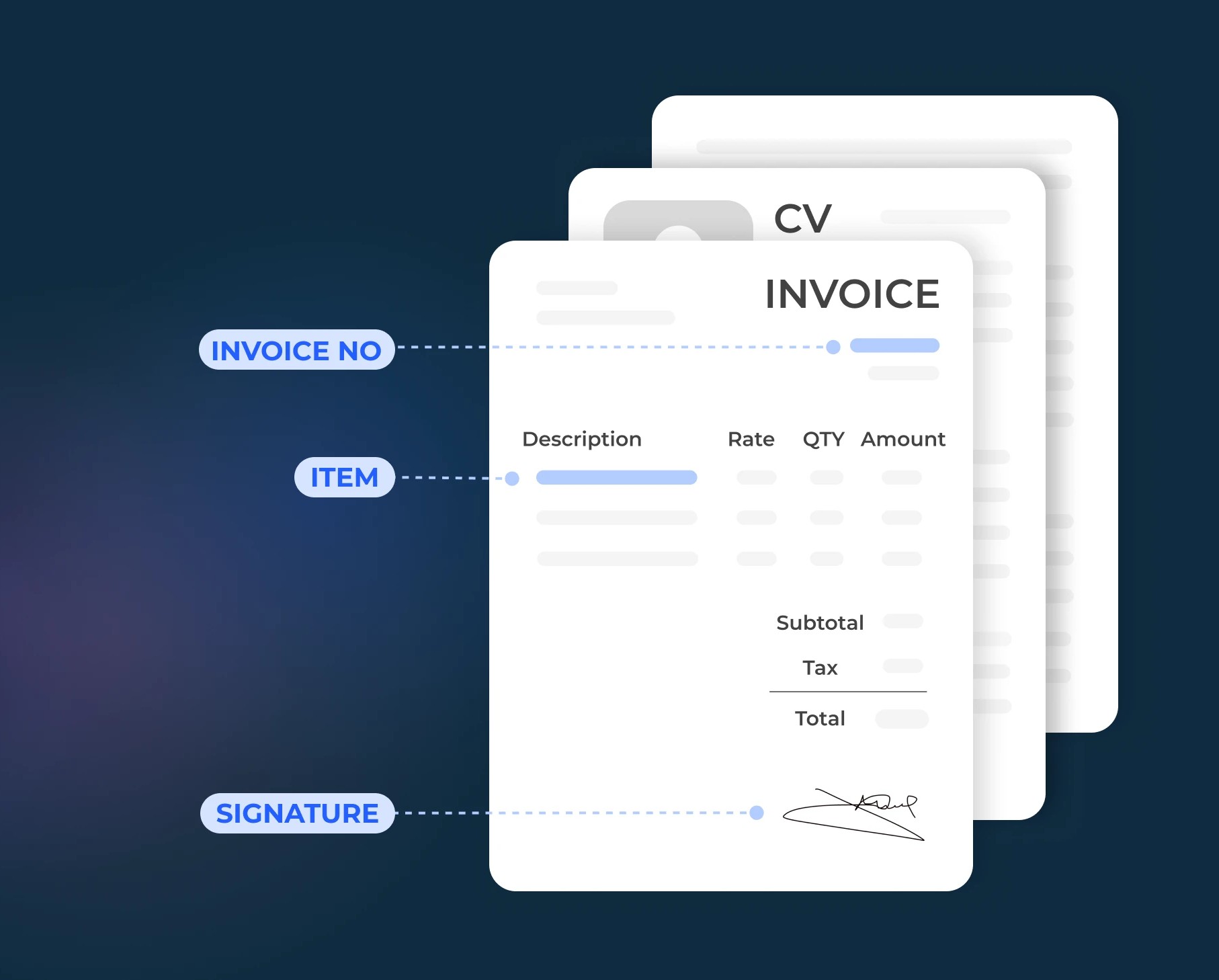
Every organization deals with documents, emails, invoices, contracts, forms, and more. While structured data fits neatly into systems, a large portion of business information exists in unstructured formats. This is where Intelligent Document Processing (IDP) comes into play, extending the value of automation beyond traditional rule-based tasks.
IDP combines automation with data recognition capabilities to extract, interpret, and process information from documents. It builds on the foundations of Robotic Process Automation (RPA), allowing businesses to handle documents that previously required manual review. As highlighted in earlier discussions on automation, choosing the right processes and tools is essential to achieving meaningful efficiency gains.
What Makes IDP Different?
Unlike basic automation, IDP can understand content rather than just follow fixed rules. It can read documents, identify key information, and categorize data based on context.
Here’s what IDP brings to the table:
- Data Extraction from Complex Documents IDP can pull relevant details from invoices, contracts, and emails, even when formats vary.
- Classification and Organization Documents are automatically sorted and routed to the right workflows, reducing manual handling.
- Error Reduction By minimizing manual input, IDP improves accuracy and consistency across processes.
- Continuous Improvement The system becomes more effective over time as it processes more documents.
Where IDP Delivers Immediate Value
Many business processes rely heavily on document handling. IDP enhances these processes by reducing delays and improving data availability.
Common use cases include:
- Invoice Processing: Extracting key fields like supplier name, amount, and due date without manual entry.
- Customer Onboarding: Processing identification documents and forms quickly and accurately.
- Contract Management: Identifying important clauses and tracking obligations automatically.
- Email Handling: Sorting and prioritizing incoming requests based on content.
These applications align closely with areas already benefiting from automation, such as data entry and reporting, where reducing manual effort leads to measurable efficiency improvements.
How IDP Works with RPA
IDP does not replace RPA, it complements it.
Think of IDP as the “reader” and RPA as the “doer”:
- IDP extracts and understands information from documents
- RPA takes that information and performs actions, such as updating systems or triggering workflows
Together, they create a more complete automation solution that can handle both structured and unstructured data.
Key Benefits for Businesses
Adopting IDP can significantly improve how organizations manage information:
- Faster Processing Times: Documents are handled in minutes instead of hours or days.
- Improved Decision-Making: Accurate data becomes available sooner, supporting better operational decisions.
- Scalability: As document volumes grow, IDP can handle increased workloads without additional staff.
- Better Customer Experience: Faster responses and fewer errors lead to improved service quality.
Getting Started with IDP
For organizations considering IDP, a practical approach is key:
- Identify document-heavy processes with high manual effort
- Start with a focused use case, such as invoice or form processing
- Integrate with existing automation tools to maximize value
- Monitor performance and refine workflows over time
This structured approach ensures that IDP delivers measurable results without unnecessary complexity.
Conclusion
Intelligent Document Processing expands what automation can achieve by addressing one of the most common business challenges: handling unstructured data. By combining document understanding with automated workflows, organizations can reduce manual effort, improve accuracy, and speed up operations.
As businesses continue to adopt automation, IDP plays a critical role in unlocking efficiencies that were previously out of reach.
Moving Forward
In the next article, we will explore Real-Time Analytics and Automation: Powering Faster Decision-Making, focusing on how instant data insights combined with automation can help organizations respond quickly and make more informed choices.