
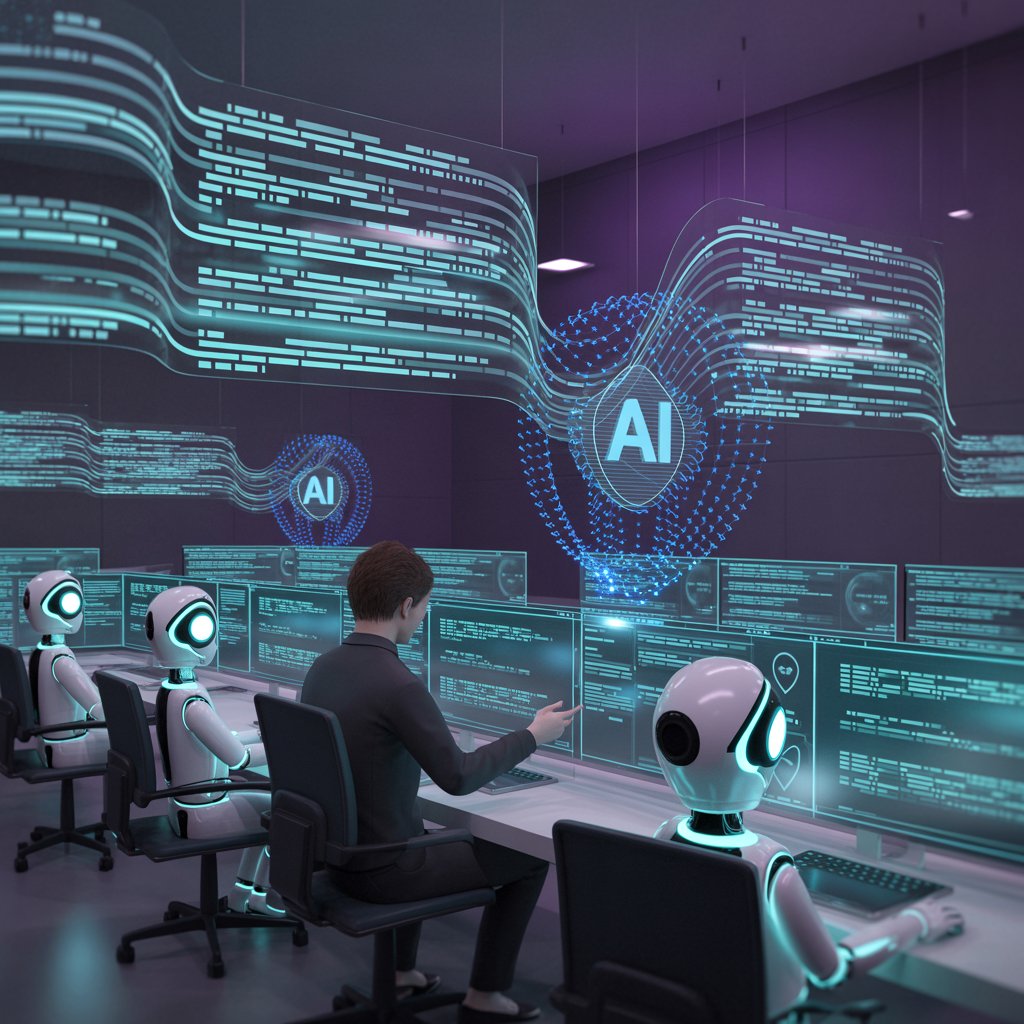
As companies adopt Artificial Intelligence (AI), automation, and smart digital tools, efficiency often improves quickly. Tasks that once required hours can now be completed in minutes. Customer requests can be handled faster, reporting can become more accurate, and routine work can be reduced.
However, with every new digital system comes a new level of responsibility. Cybersecurity is no longer just an IT concern. It is now a business priority. When AI and automation are connected to company systems, emails, databases, and customer information, the impact of a security issue can spread rapidly.
Why Risk Levels Are Changing
Traditional cyber threats still exist, but AI and automation can increase the speed and scale of damage if controls are weak. A single compromised automation may process thousands of transactions before the issue is detected. An unsecured AI tool could expose sensitive company data if used incorrectly.
Some common risks include:
- Unauthorized access – Bots or AI tools connected to business systems may become entry points if credentials are weak.
- Data leaks – Sensitive customer or financial data may be exposed through unsecured tools or poor permissions.
- Automated mistakes at scale – Incorrect logic or manipulated data can cause repeated errors quickly.
- Phishing attacks enhanced by AI – Fraudulent emails and messages are becoming more convincing.
- Third-party risks – External platforms and software providers may create indirect vulnerabilities.
A growing trend often called vibe coding refers to using AI tools to generate software quickly through simple prompts, often with limited review of the actual code. While this can speed up development, it also creates risks. Hidden security flaws, weak authentication, poor data handling, and unreliable integrations may be introduced without being noticed. If businesses use AI-generated code, it should always be reviewed, tested, and approved by experienced developers before going live.
How Businesses Can Protect Themselves
The good news is that these risks can be managed with practical planning. Security should be built into every automation or AI project from the start rather than added later.
1. Control Access Carefully
Only approved users and systems should have access to automation tools, bots, and AI platforms. Use multi-factor authentication wherever possible and review permissions regularly.
2. Protect Sensitive Data
Data should be encrypted, stored securely, and shared only when necessary. Businesses should define clear rules on what employees can upload into AI tools.
3. Monitor Automated Activity
Every automation should create logs showing what actions were taken, when they happened, and by which account. This helps detect unusual behavior quickly.
4. Keep Systems Updated
Old software often contains known weaknesses. Regular updates and patching reduce avoidable risks across connected systems.
5. Train Employees
Even strong technology can fail through human error. Staff should know how to identify suspicious emails, unsafe links, and poor data handling practices.
6. Review Vendors Carefully
Before adopting any external AI or automation platform, businesses should review security standards, privacy terms, and support capabilities.
AI Can Also Strengthen Cybersecurity
Interestingly, AI is not only a risk factor. It can also improve defense. Smart monitoring tools can detect unusual behavior, identify threats faster, and support security teams with quicker responses. Used correctly, AI can become part of the solution.
Conclusion
AI and automation are helping businesses become faster, more productive, and more competitive. But growth without protection can create costly problems. Cybersecurity must move alongside innovation.
Organizations that combine smart technology with strong safeguards will gain the benefits of automation while reducing unnecessary risk. The goal is not to avoid progress, but to secure it.
Moving Forward
In the next article, we will explore how AI and automation can transform customer experience and how businesses can improve service quality, response times, and customer satisfaction through the smart use of digital tools.